
Explore beautiful destinations around Egbaland
Olumo Rock
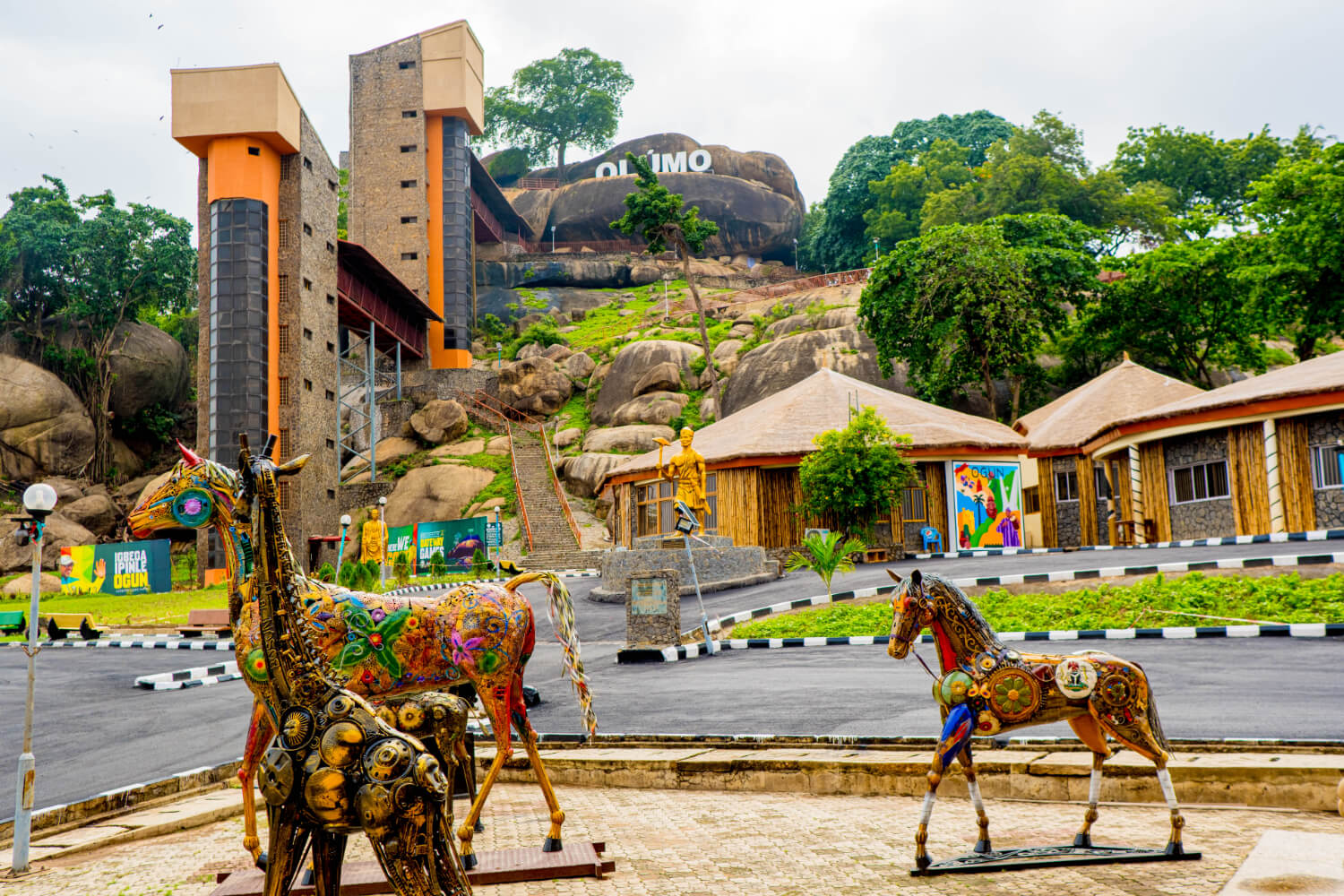
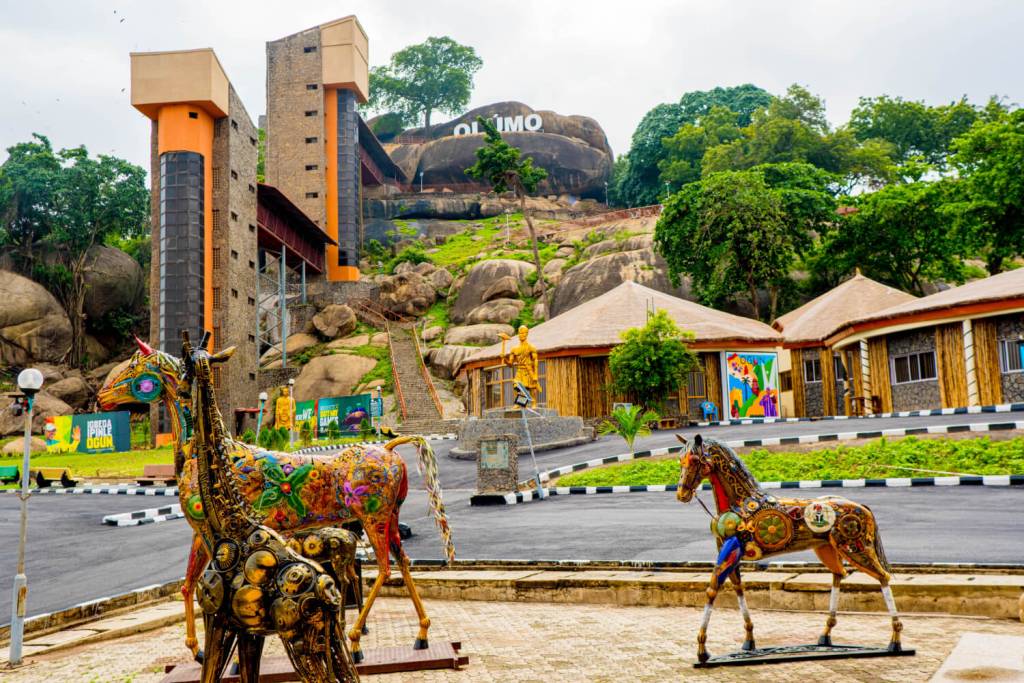
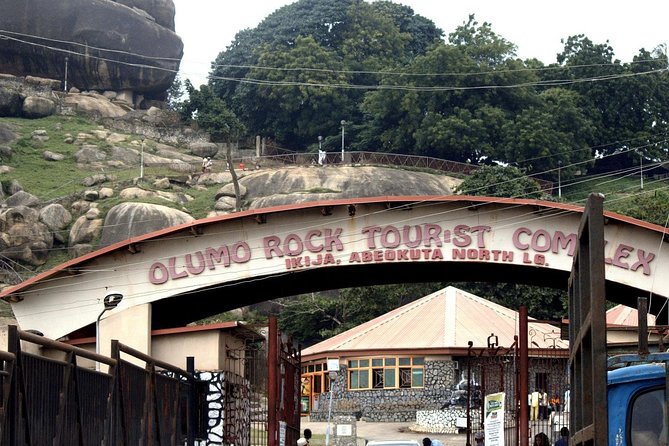
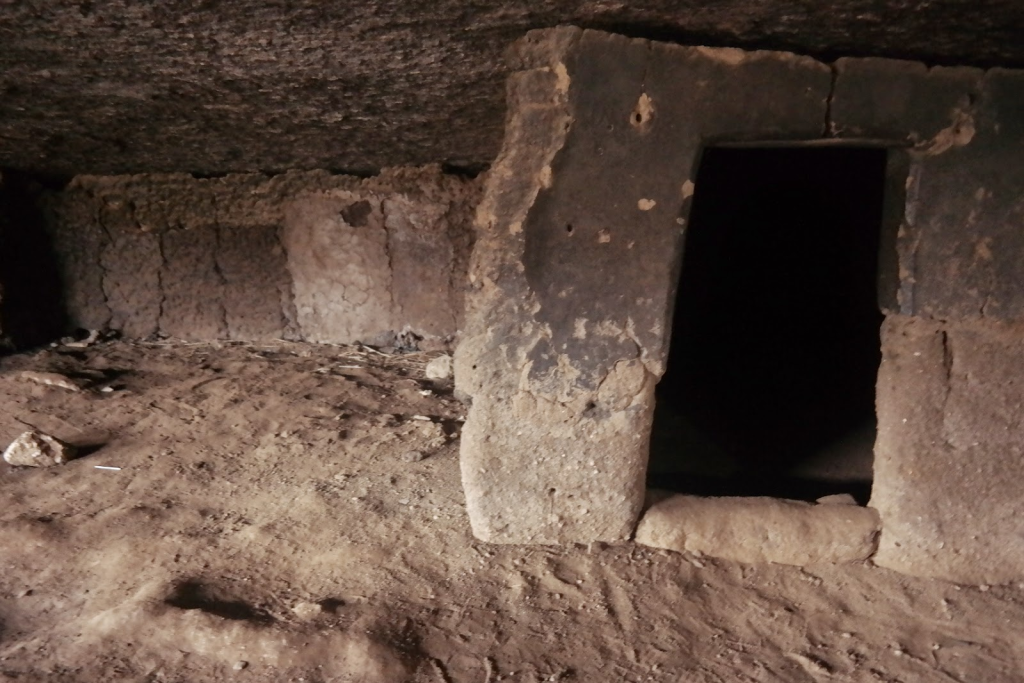
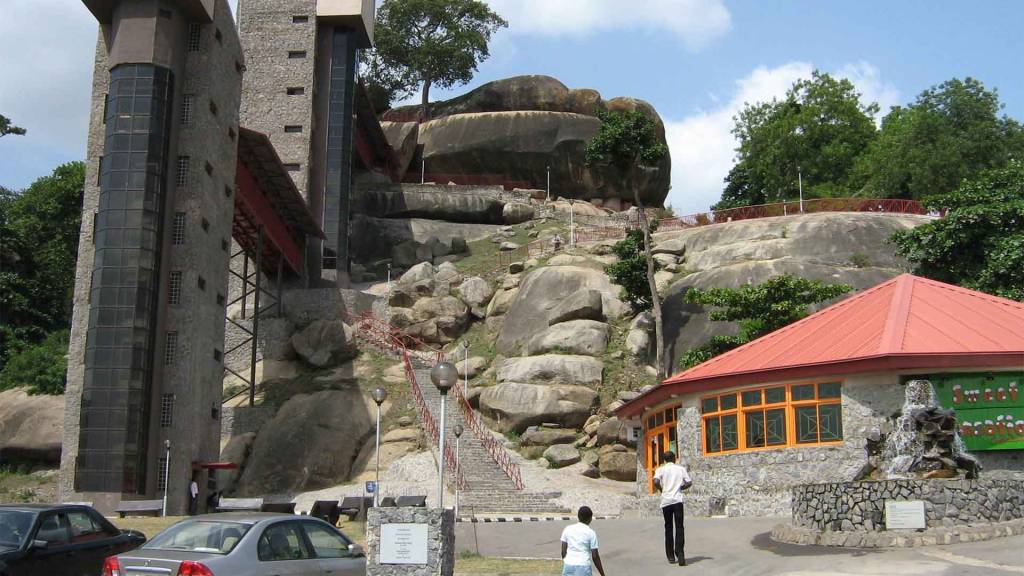
Olumo Rock is one of the most important historical and cultural landmarks in Abeokuta. It served as a natural fortress for the Egba people during inter-tribal wars in the 19th century, offering shelter, security, and strategic advantage. Over time, Olumo Rock became a symbol of resilience and unity for the Egba people.
Today, the site combines heritage with modern tourism features such as a cable car, stairways, viewing platforms, and cultural shrines. Visitors can explore key areas of the rock while enjoying panoramic views of Abeokuta, making it both a historical site and a major tourist attraction.
Alake’s Palace
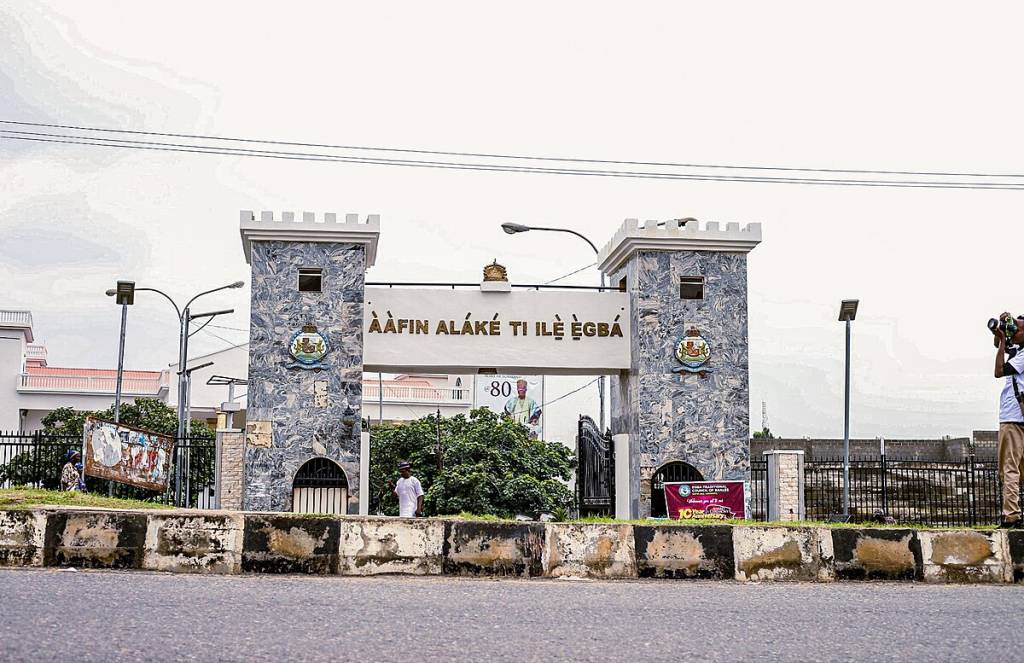
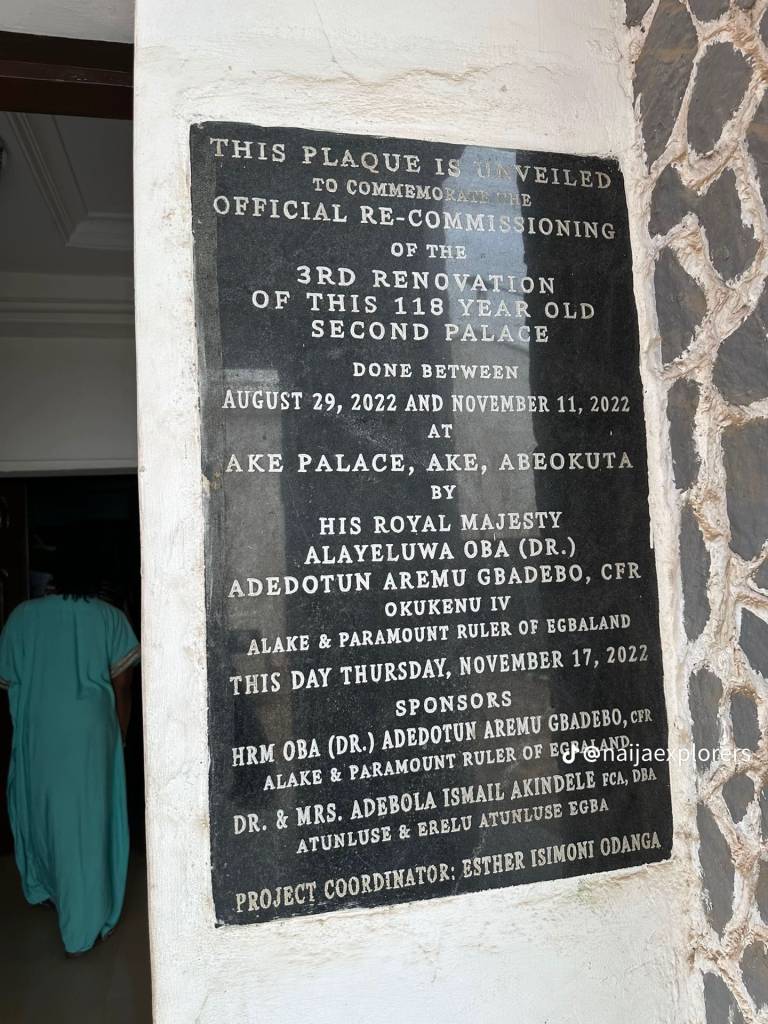
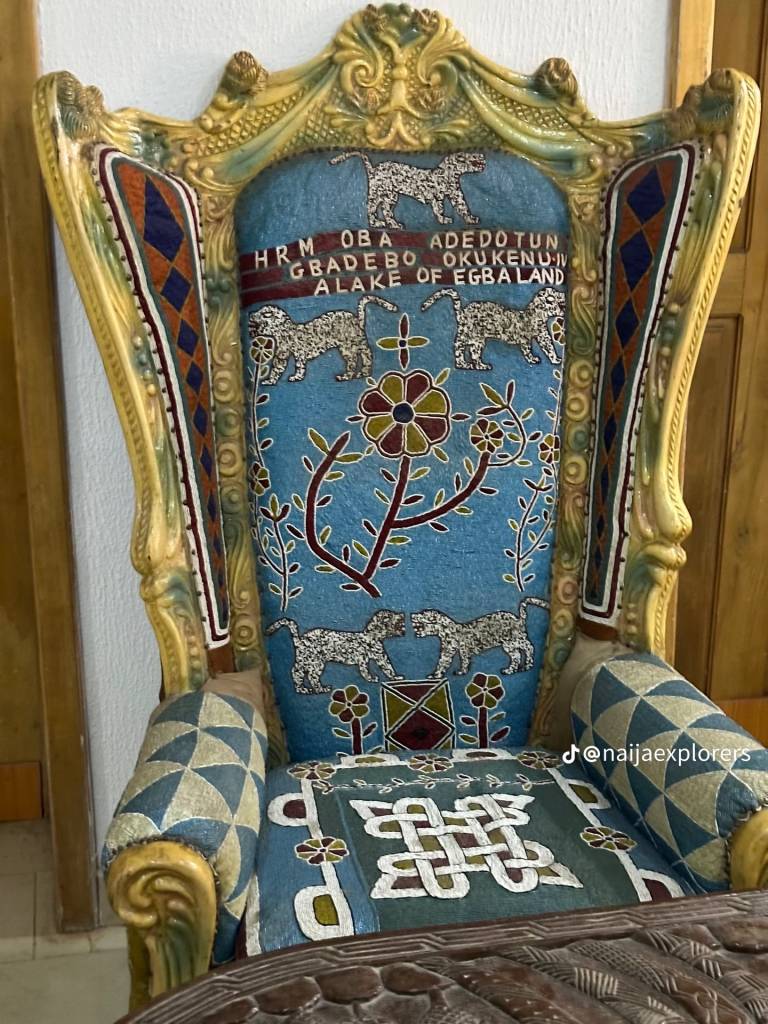
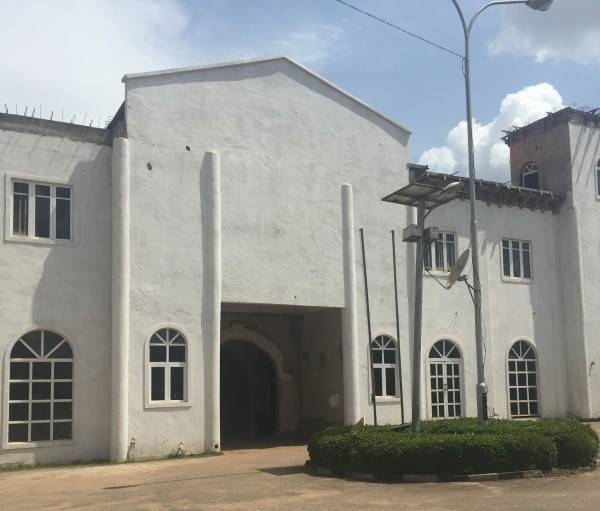
Alake’s Palace is the traditional residence of the Alake of Egbaland, His Royal Majesty Oba Adedotun Aremu Gbadebo III and a central symbol of Egba history and governance. The palace represents centuries of leadership, culture, and tradition within Abeokuta.
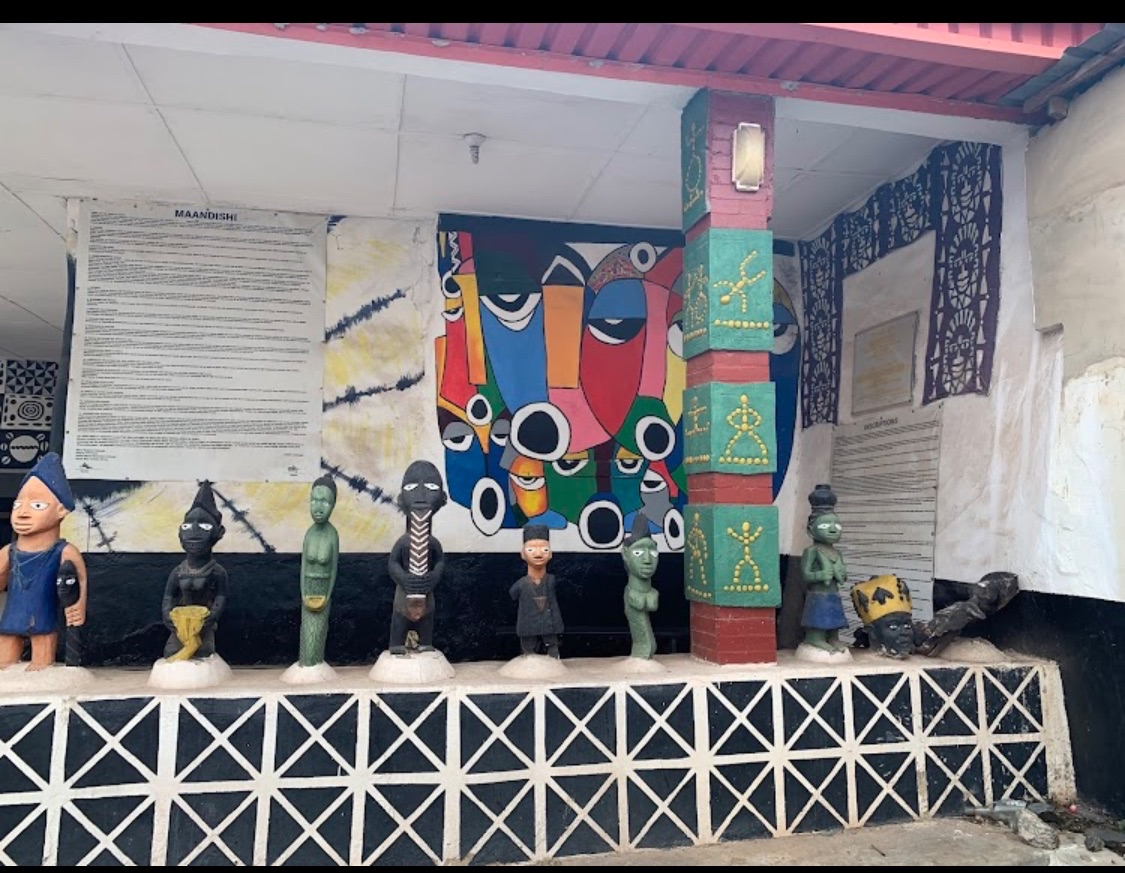
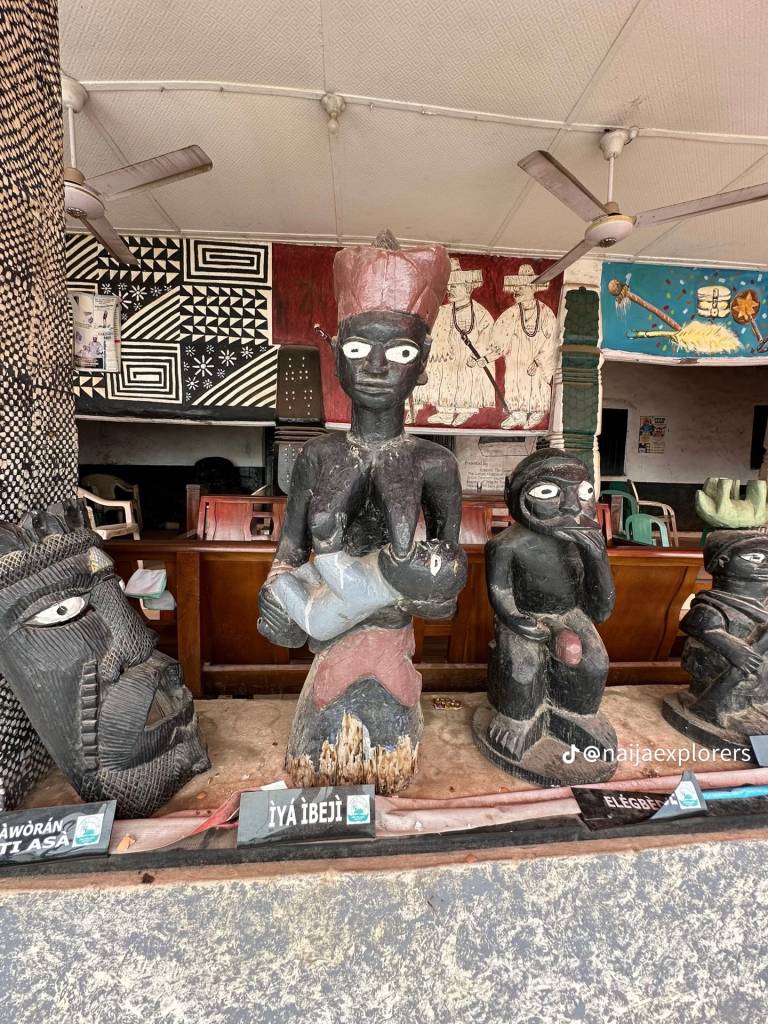
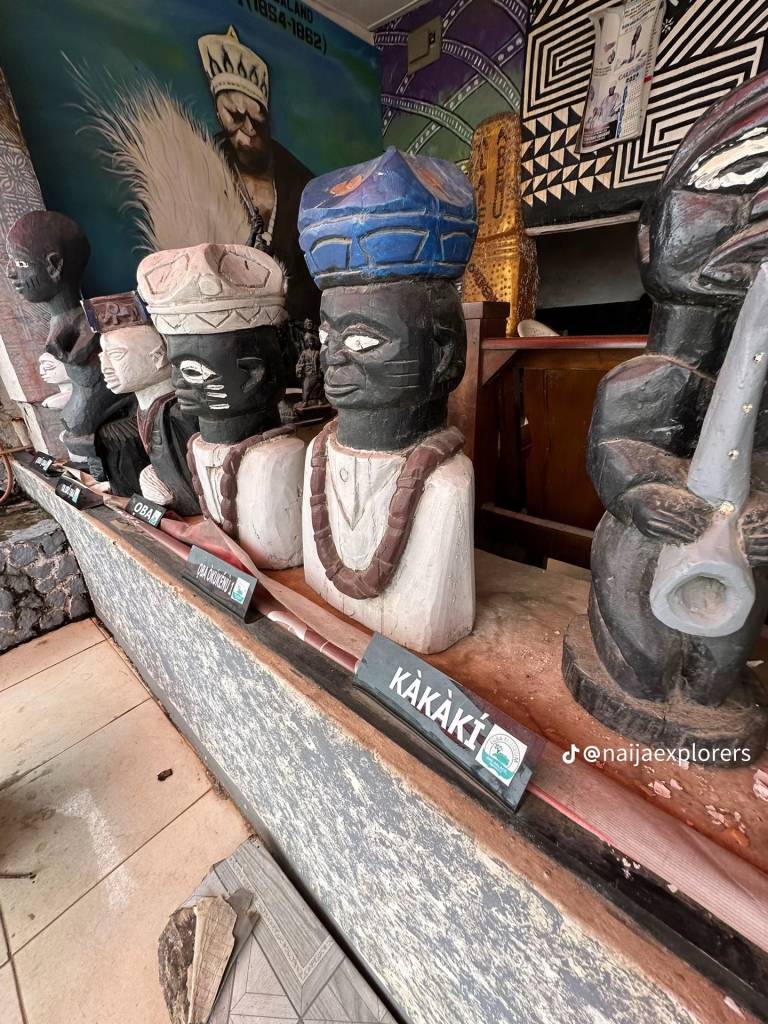
The palace museum preserves historical artefacts, royal regalia, and records that tell the story of the Egba people, their monarchy, and their role in the development of Abeokuta. The museum offers visitors insight into traditional authority, customs, and cultural heritage.
Olusegun Obasanjo’s Presidential Library
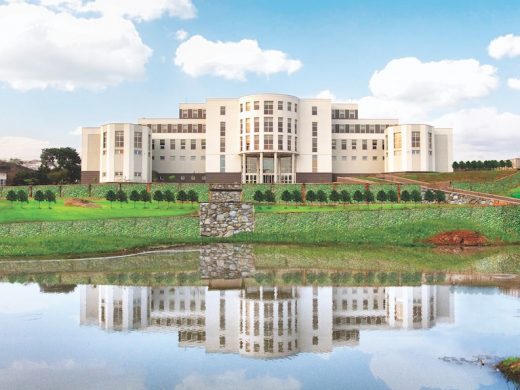
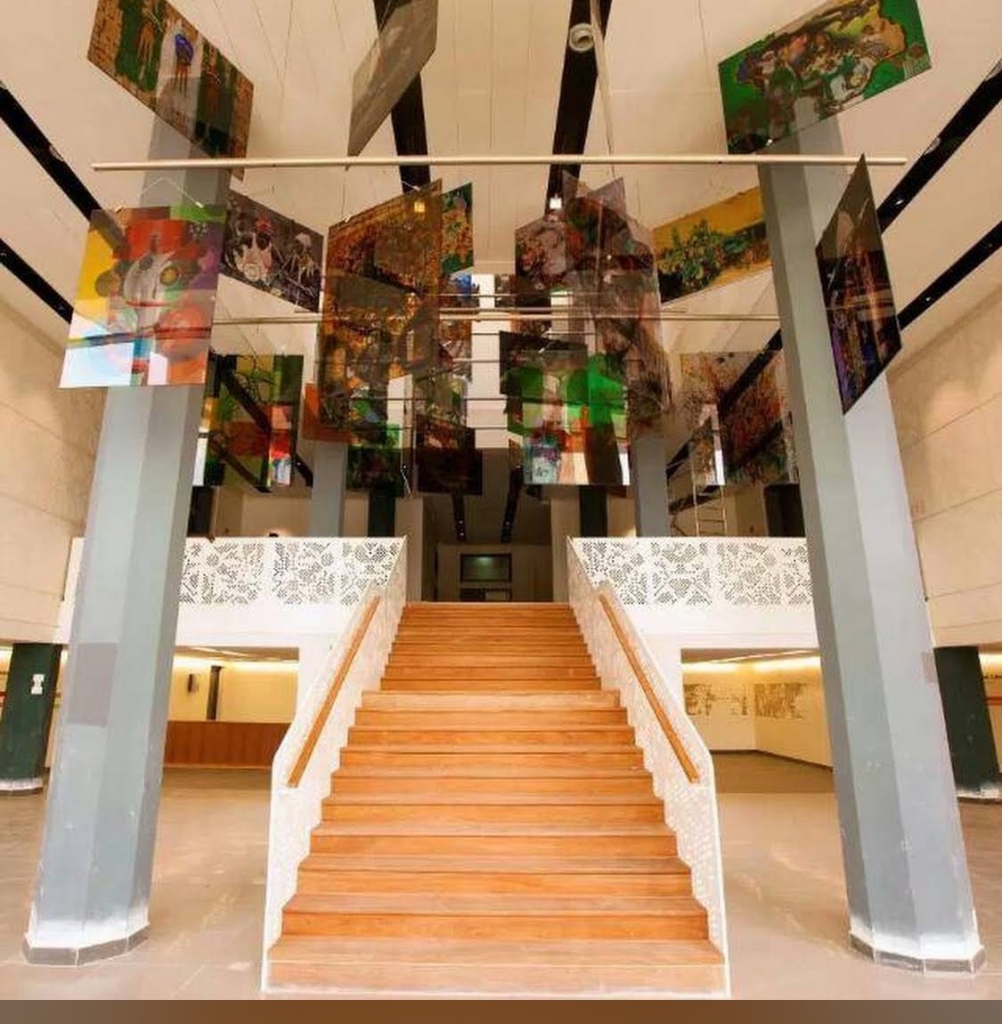
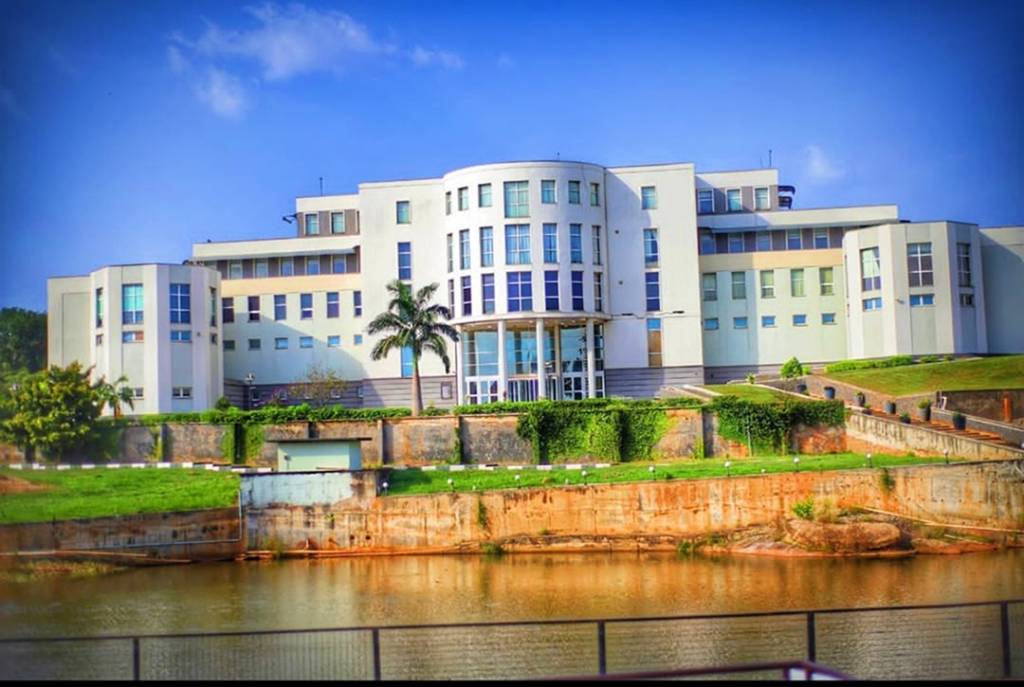
The Olusegun Obasanjo Presidential Library is Africa’s first presidential library, established to preserve historical records, leadership archives, and national heritage. It serves as a centre for research, learning, and leadership development.
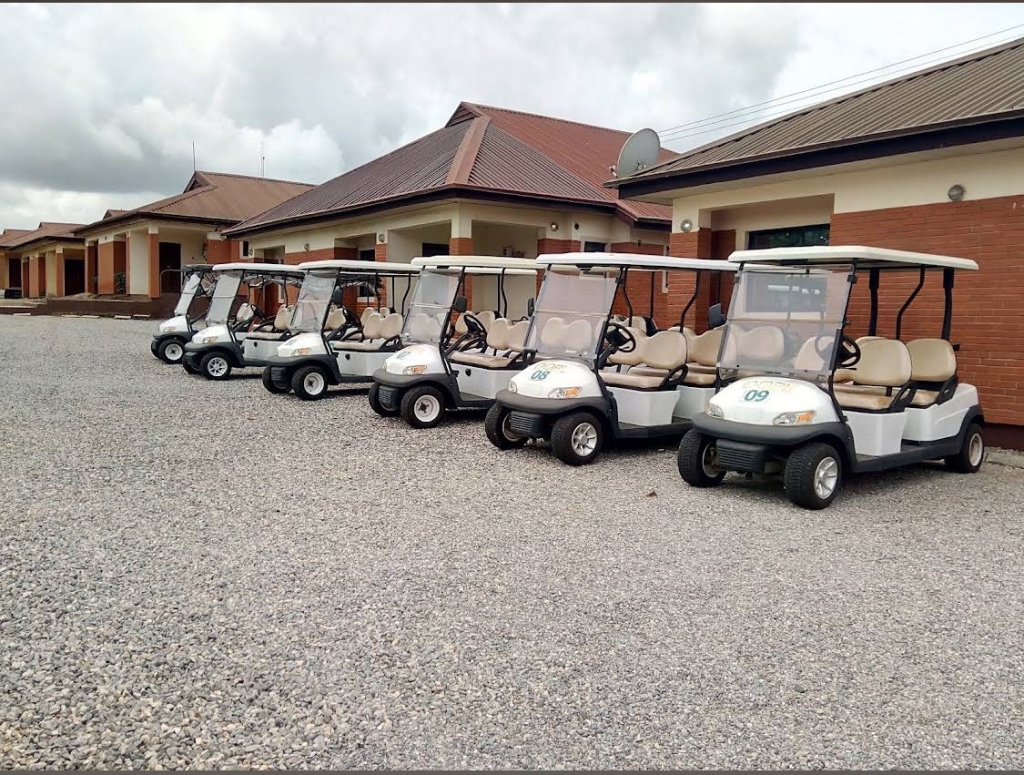
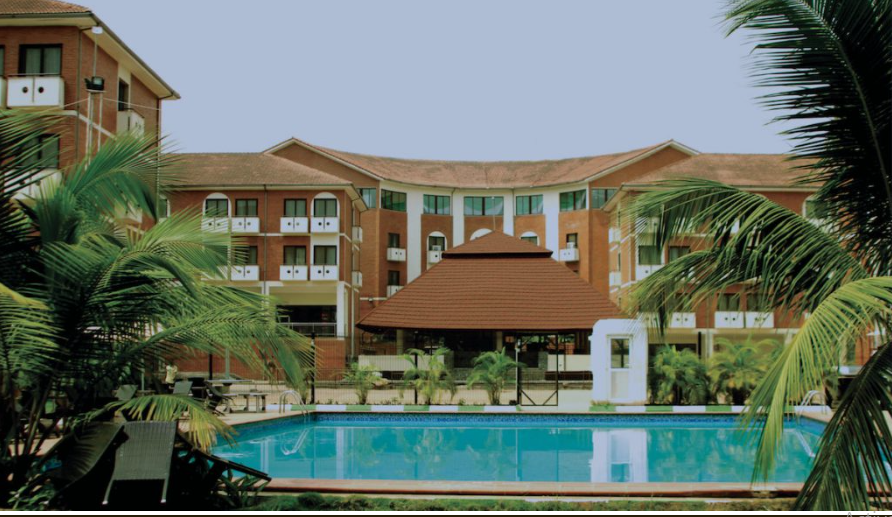
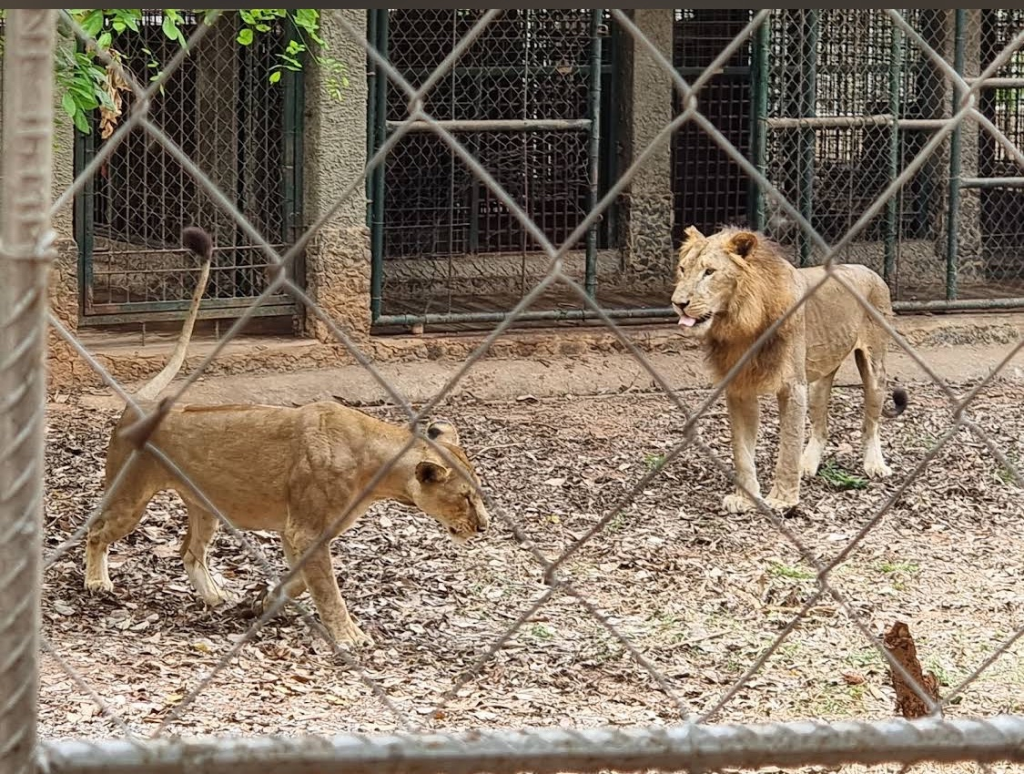
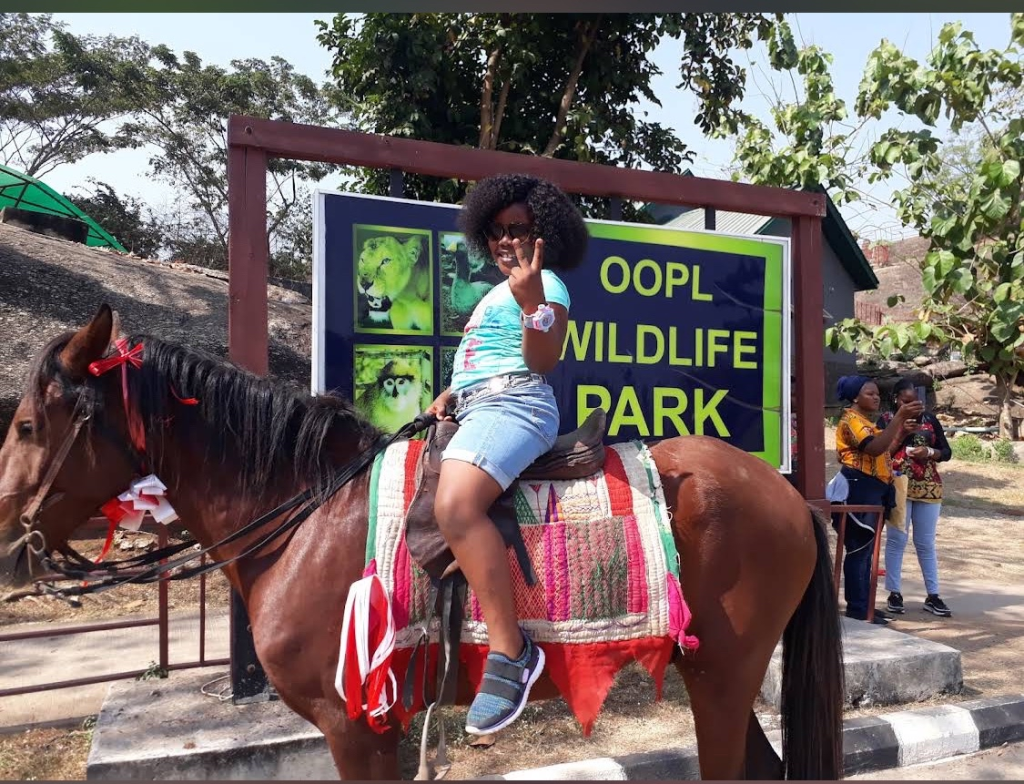
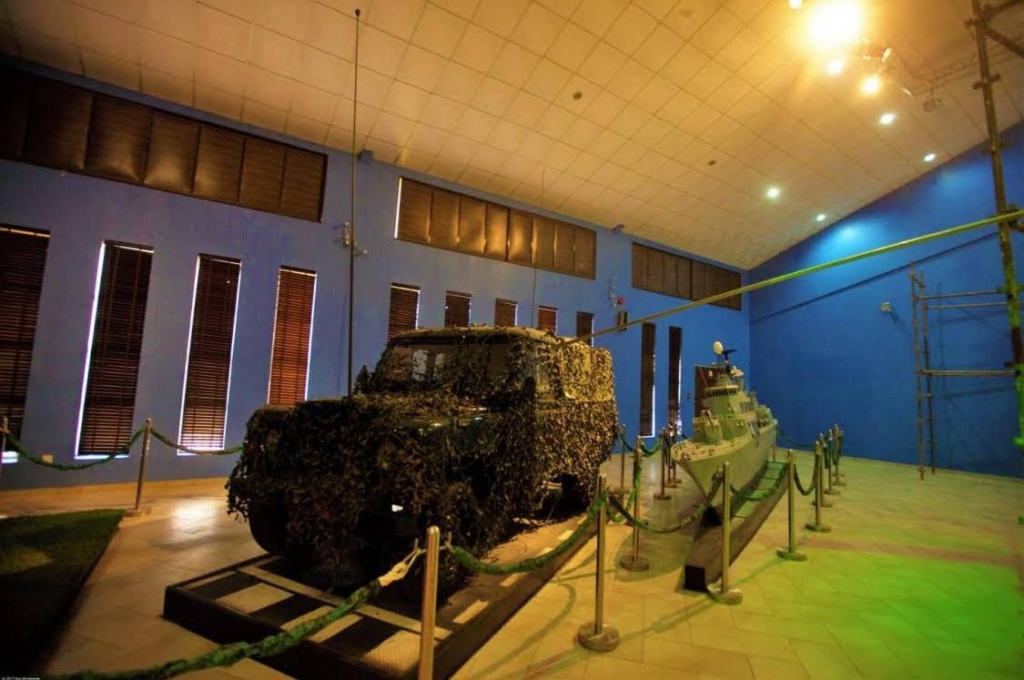
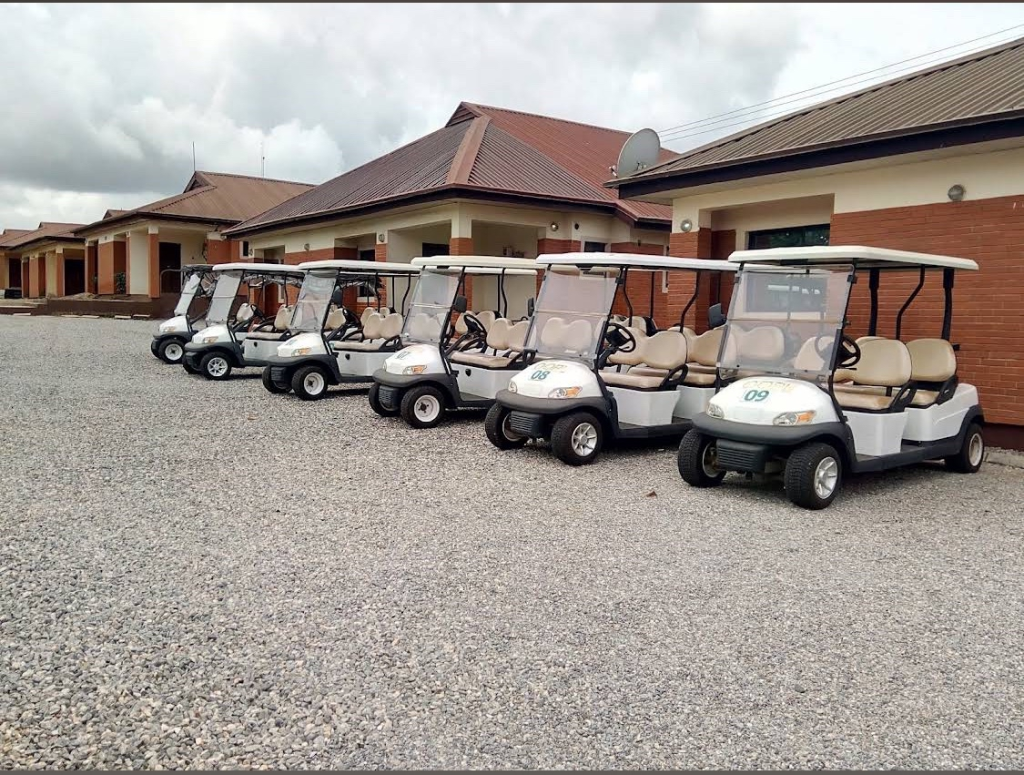
Beyond the main library building, the OOPL complex features museums, open grounds, and recreational spaces, including an equestrian area with horses. These elements reflect the site’s focus on history, culture, leadership, and experiential learning, making it a key destination for conferences, exhibitions, and cultural events.
June 12 Conference Center
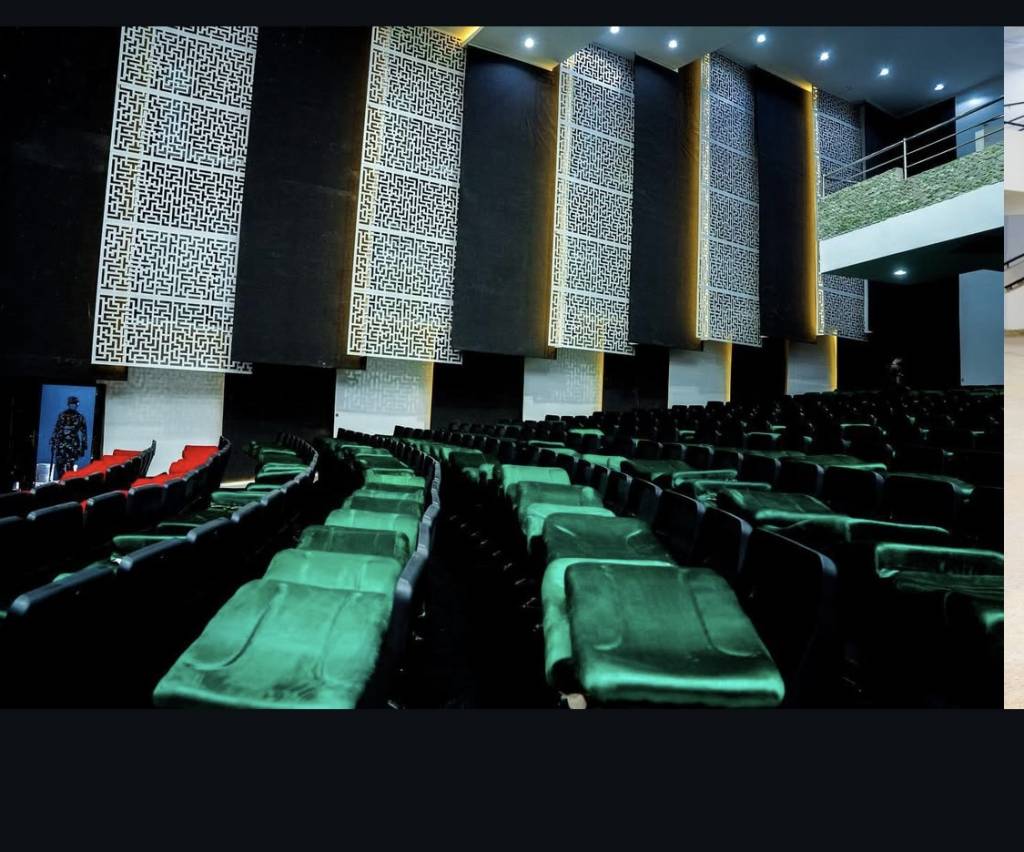
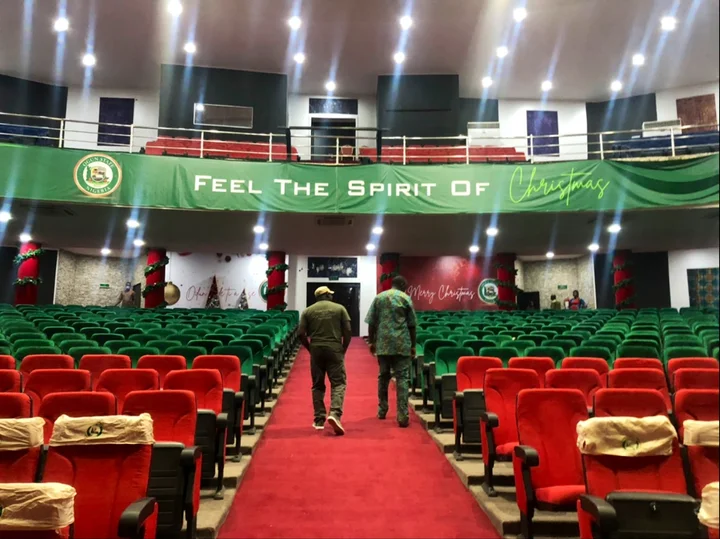
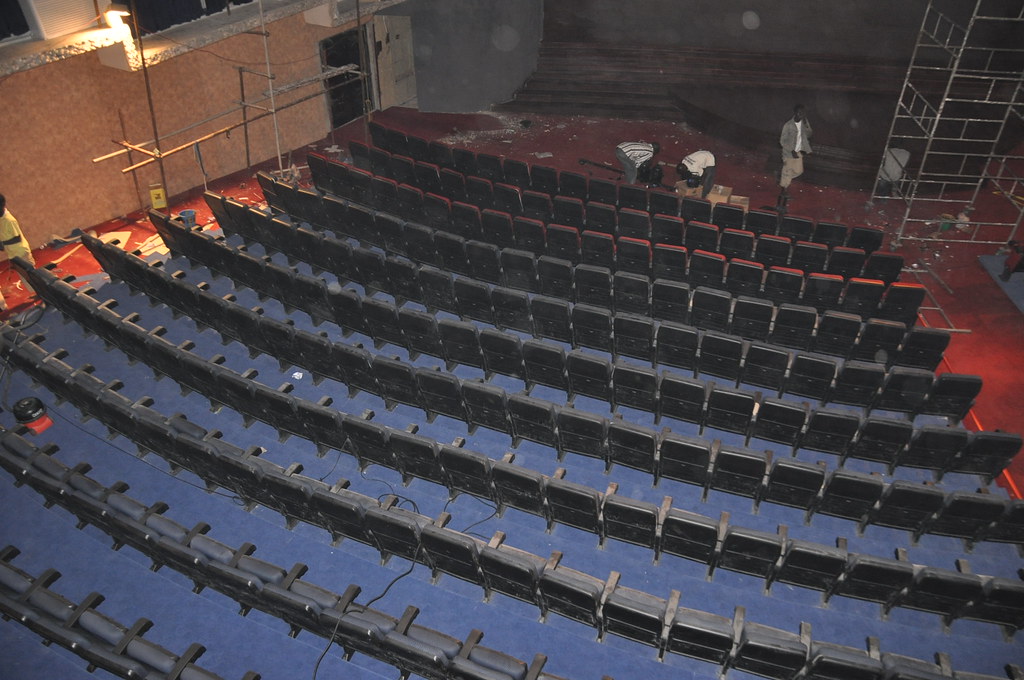
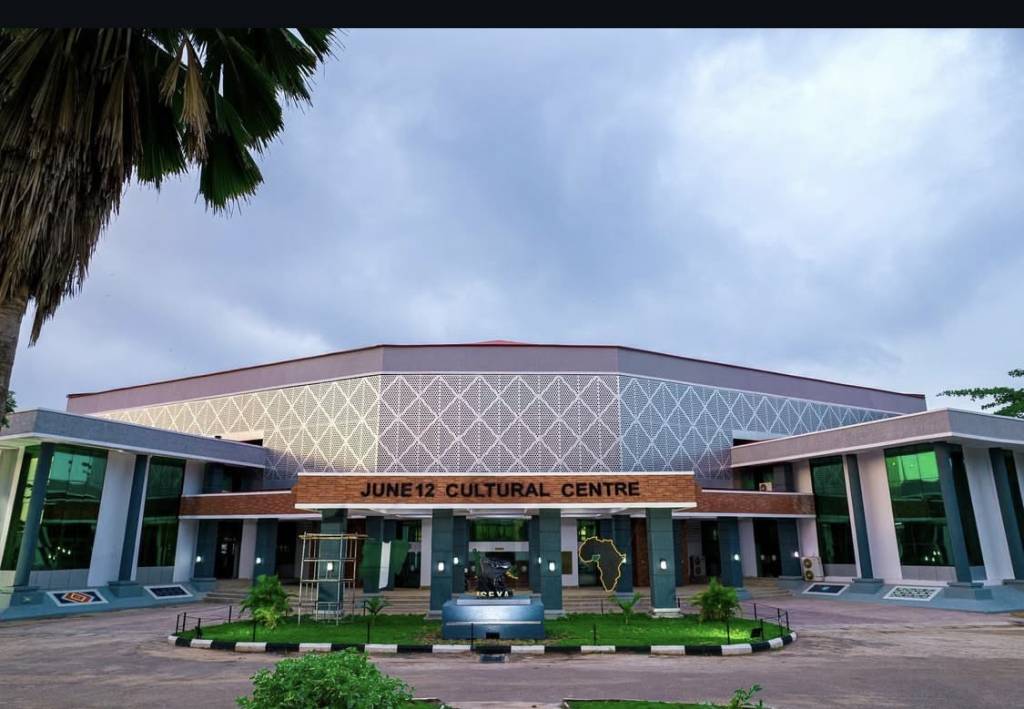
The June 12 Cultural Centre is a major cultural and event facility in Abeokuta, named in recognition of Nigeria’s democratic history. It serves as a venue for conferences, cultural exhibitions, performances, and public events.
The centre plays an important role in promoting arts, culture, and civic engagement within Ogun State, and is widely used for large gatherings, official programs, and cultural celebrations.